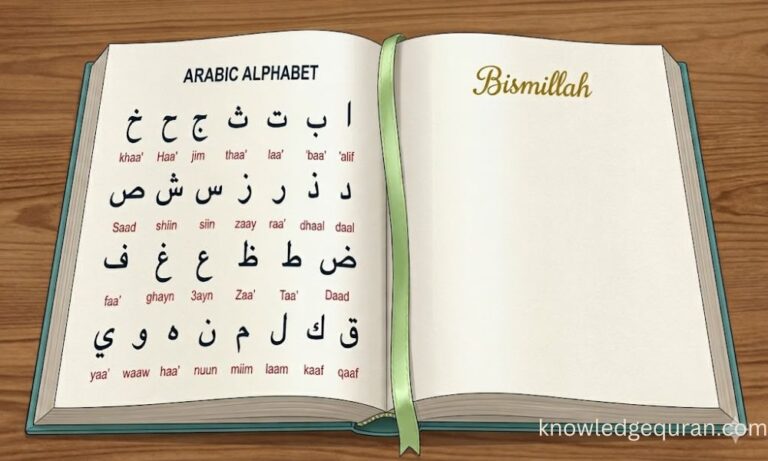
The Importance of Quran Tafseer in Gaining True Knowledge
The Holy Quran is the divine book of guidance revealed to mankind, yet its depth and wisdom cannot always be fully grasped through surface reading alone. To truly unlock its treasures, Muslims rely on Quran Tafseer, a discipline dedicated to interpreting and explaining the Quran. Through Tafseer, believers not only understand the literal meaning of the verses but also gain insights into the historical, linguistic, and spiritual dimensions behind them. This makes Tafseer an essential path to acquiring true Islamic knowledge.
Understanding the Concept of Quran Tafseer
Quran Tafseer is more than just a commentary—it is a bridge between the divine message and human understanding. It provides the context, reasoning, and explanation necessary to interpret Allah’s words in the light of authentic sources. Without Tafseer, one risks misunderstanding the Quran, which may lead to misguided beliefs or practices.
The Linguistic and Historical Context in Tafseer
The Quran was revealed in Arabic during the 7th century, a period with its own unique linguistic expressions, idioms, and cultural references. Tafseer helps decode these aspects, ensuring modern readers grasp the intended meanings. Historical events, such as battles or treaties mentioned in the Quran, become clearer when explained through Tafseer, deepening comprehension and application.
Why Quran Tafseer is Essential for True Knowledge
The Quran is a universal guide, yet without proper interpretation, one may misapply its verses. Tafseer ensures that knowledge gained from the Quran is rooted in accuracy and truth.
1. Preventing Misinterpretations of the Quran
Misinterpretation has historically led to divisions and conflicts within the Muslim Ummah. Through Tafseer, authentic meanings are preserved, protecting believers from misconceptions and false ideologies.
2. Connecting Tafseer with Daily Life and Practice
Tafseer isn’t just academic—it directly influences how Muslims practice their faith. From understanding prayer rulings to navigating ethical dilemmas, Tafseer offers practical applications that align life with Quranic guidance.
Types of Quran Tafseer
The science of Tafseer has developed into different methods and approaches, each with its own framework of interpretation. Understanding these types helps students of knowledge appreciate the diversity and depth of scholarly work.
1. Tafseer bil-Ma’thur (Based on Narrations)
This form of Tafseer relies on the sayings of the Prophet Muhammad ﷺ, the explanations of the Sahabah (Companions), and early generations of scholars. Since it is rooted in authentic narrations, it is considered the most reliable method of interpretation. Tafseer Ibn Kathir is one of the best-known works following this approach.
2. Tafseer bil-Ra’y (Based on Reasoning)
In contrast, Tafseer bil-Ra’y involves scholarly reasoning and linguistic analysis to explain the Quran. While it requires great expertise and adherence to Islamic principles, this approach helps address verses where narrations may not provide direct explanations.
3. Comparative Insights from Different Schools of Thought
Over centuries, scholars from various Islamic schools—Sunni, Shia, and others—developed Tafseer works reflecting their theological perspectives. Though differences exist, the shared aim remains: to explain the Quran truthfully and guide believers toward understanding divine wisdom.
Benefits of Studying Quran Tafseer
The study of Tafseer offers both spiritual and intellectual enrichment. It transforms how one reads the Quran, shifting from mere recitation to a deep, reflective journey.
1. Strengthening Faith and Belief
By understanding the wisdom behind Quranic verses, Muslims develop stronger conviction in Allah’s guidance. Tafseer nurtures certainty and protects from doubts or misinterpretations.
2. Enhancing Spiritual Growth and Reflection
Tafseer encourages reflection (tadabbur) on Allah’s words. This not only strengthens personal worship but also fosters humility, patience, and gratitude.
3. Developing Intellectual and Moral Wisdom
The Quran addresses moral values, social justice, and human ethics. Through Tafseer, readers grasp these teachings more clearly, allowing them to cultivate wisdom in dealing with life’s challenges.
Challenges in Understanding Quran Tafseer
Although the Quran Tafseer opens the door to immense knowledge, it also comes with challenges.
1. Language Barriers and Translation Issues
The Quran’s original Arabic is highly eloquent and layered with meanings. Translating it into other languages often fails to capture the depth. Without Tafseer, non-Arabic speakers risk missing important subtleties.
2. Misuse of Tafseer for Personal Gain
Some individuals distort Quranic interpretations to support political agendas or personal ideologies. Authentic Tafseer, however, safeguards the divine message by relying on scholarly consensus and sound methodology.
Famous Works of Quran Tafseer
Over the centuries, numerous Tafseer works have been written, many of which remain influential today.
1. Tafseer al-Tabari
Authored by Imam al-Tabari, this monumental work is among the earliest and most comprehensive Tafseers, relying heavily on narrations.
2. Tafseer Ibn Kathir
Perhaps the most widely read Tafseer, it combines narrations, scholarly insights, and simple explanations, making it accessible for both students and laypeople.
3. Contemporary Tafseer Contributions
Modern scholars have written Tafseers that address current issues in society, bridging classical scholarship with contemporary realities. Works like Tafheem-ul-Quran by Maulana Maududi serve as prime examples.
FAQs
Q1. What is the main purpose of the Quran Tafseer?
The primary purpose is to clarify the meanings of the Quran so Muslims can apply its teachings correctly in their lives.
Q2. Can anyone perform Tafseer of the Quran?
No, Tafseer requires deep knowledge of Arabic, Hadith, Fiqh, and Islamic history. It should only be carried out by qualified scholars.
Q3. Is reading the Quran without Tafseer sufficient?
Reading the Quran brings blessings, but Tafseer is necessary to fully understand and apply its teachings.
Q4. Which Tafseer is best for beginners?
Tafseer Ibn Kathir is highly recommended for beginners due to its clear explanations and authenticity.
Q5. How does Tafseer differ from translation?
Translation gives the surface meaning in another language, while Tafseer provides in-depth explanation, context, and interpretation.
Conclusion
Quran Tafseer is not just a scholarly pursuit—it is the lifeline that connects believers to the divine wisdom of Allah. By unlocking the meanings of the Quran, Tafseer prevents misinterpretations, strengthens faith, and guides Muslims in navigating life with truth and clarity.
In a world filled with distractions and conflicting ideologies, Tafseer remains the compass pointing toward authentic knowledge and spiritual fulfillment. Truly, the study of Quran Tafseer is the pathway to gaining true knowledge and living a life aligned with divine guidance.