Master the Sounds of the Arabic Alphabet Step by Step
Arabic has over 420 million native speakers, and that number keeps climbing. Most people who try learning it get stopped cold within the very first week.
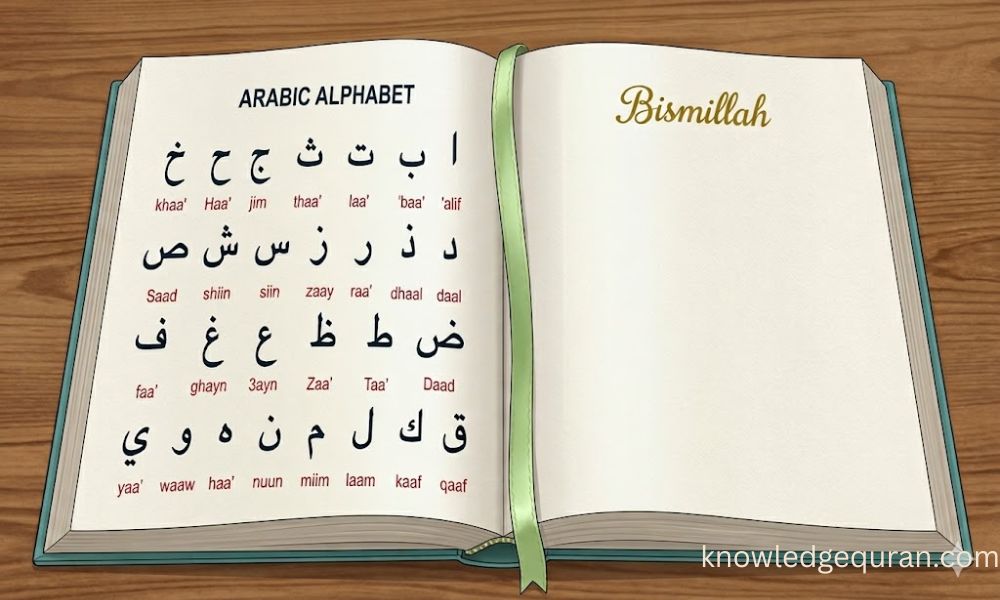
The sounds of the Arabic alphabet are 28 letter sounds, each tied to a fixed articulation point in the mouth or throat.
Some of those sounds simply don’t exist in English, which catches most beginners completely off guard. So what actually makes these sounds learnable, and why do so many people get them wrong for so long?
Why Arabic Sounds Feel So Unfamiliar
Most English speakers rarely produce sounds from deep within the throat. Arabic depends on exactly that kind of sound production, and it depends on it often.
The sounds of the Arabic alphabet belong to the Semitic language family, which runs naturally heavy on guttural consonants.
That’s the main reason Arabic catches first-time listeners completely off guard. The ear adjusts faster than people tend to expect, though. A few weeks of consistent exposure and things start clicking in a real way.
The 28 Letters and What Makes Them Consistent
This is actually one of Arabic’s more learner-friendly qualities. Each of the 28 letters carries exactly one sound with no exceptions whatsoever.
English throws silent letters and unpredictable pronunciation rules at learners constantly, but Arabic skips all of that. A letter’s written shape shifts slightly based on its position in a word, but the sound itself never changes.
Arabic also runs right to left, which feels strange at first and perfectly normal within days. Learn Noorani Qaida is a strong place to build that letter-sound connection properly.
The Guttural and Emphatic Sounds Arabic Is Known For
These are the sounds that genuinely shake most learners up at first. Ayn, Ghayn, Kha, and Ha don’t come from anywhere English speakers use regularly. They’re deep and throat-driven, and they take real time to produce correctly.
Arabic also carries emphatic consonants like Saad, Daad, Ta, and Zha, which are heavier versions of similar-looking letters.
Getting those wrong shifts word meaning entirely, not just pronunciation. Anyone serious about Quranic recitation needs a proper Learn Quran with Tajweed course to actually lock these sounds in.
Harakat and the Short Vowels Hidden in Plain Sight
Most written Arabic leaves short vowels out of the text completely. That tends to confuse beginners more than almost anything else does. Harakat are the small marks placed above or below letters that bring those missing vowels into view.
Fatha produces a short “a,” Kasra produces “i,” and Damma produces “u.” A mark called Sukoon signals that no vowel follows that letter at all.
Every day Arabic drops these marks, but the Quran always keeps them in. That consistency makes the Quranic text one of the cleaner places to study the sounds of Arabic alphabet with real accuracy.
Makharij: Why Arabic Sounds Come From Specific Places
Arabic phonetics actually runs on a precise and well-documented system. Classical scholars mapped out 17 articulation points called Makharij al-Huroof, each tied to a real physical location.
These include the lips, tongue tip, deep throat, and nasal passage. Every Arabic letter traces back to one of those exact spots. Once a learner knows that map, sound production stops feeling like a constant guessing game.
Children introduced to Arabic early through programs like Basic Islam for Kids build correct muscle habits before the wrong ones ever get a chance to settle.
Building the Ear and the Tongue Over Time
Pronunciation doesn’t improve just by reading about pronunciation. It gets better through daily contact with real, native Arabic audio. Listening to Quranic recitation regularly trains the ear before the mouth even tries to keep up.
Recording one’s own voice and comparing it to a fluent speaker is uncomfortable but genuinely worth it. Cramming all 28 letters in one sitting works far worse than five letters practiced properly each day.
A real teacher still catches what no app ever will. Structured courses at Knowledge Quran give serious learners the right environment to build lasting sound of Arabic alphabet fluency.
Frequently Asked Questions
How many sounds does the Arabic alphabet have?
Arabic has 28 letters, each carrying exactly one unique and consistent sound. Some scholars include Hamza separately and bring the total count to 29.
Do any Arabic sounds exist in English?
Letters like Ba, Ta, and Meem are reasonably close to familiar English sounds. The guttural and emphatic ones have absolutely no English equivalent at all.
How long does learning Arabic pronunciation take?
Basic sounds usually become familiar within four to eight weeks of consistent daily practice. Complex sounds like Ayn genuinely needs a patient, qualified teacher to master.
Does pronunciation affect Quranic reading?
It affects Quranic reading more than most learners initially realize. One mispronounced letter can completely shift the meaning of a word.
Is Arabic phonetics manageable for children?
Children naturally acquire new sounds far more easily than adults ever do. Starting early with structured lessons gives them a genuine and lasting advantage.