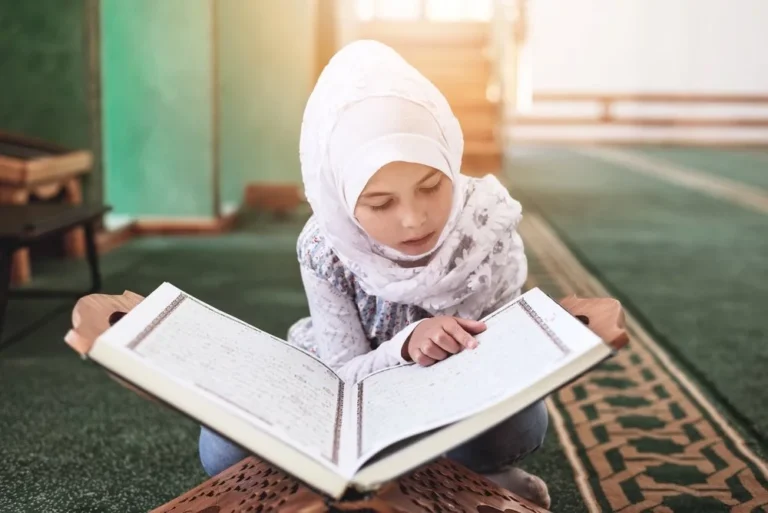
Helps in Understanding Islamic Rituals from a Young Age
Islam places great emphasis on early education, especially when it comes to learning the Holy Quran. When children begin Quran learning at a young age, they not only memorize verses but also build a strong understanding of Islamic rituals, manners, and values. This early connection helps them develop love for Allah, respect for parents, and a sense of responsibility in religious practices such as prayer, fasting, kindness, and good character.
In today’s fast-paced world, it has become even more important for parents to guide their children towards Islamic teachings from the beginning. A child’s mind is pure, soft, and ready to absorb whatever is taught. When this early learning includes the teachings of the Quran, it shapes the child’s personality in the most positive and beneficial way. In this article, we will discuss how learning the Quran at a young age helps children understand Islamic rituals and why this understanding is important for their spiritual, moral, and personal growth.
Building a Foundation of Faith Early
Children learn best during their early years. When they are introduced to the Quran at a young age, they develop a natural connection with their religion. Instead of seeing Islamic rituals as rules they must simply follow, they begin to understand the deeper wisdom behind them.
For example, when a child learns short Surahs like Surah Al-Ikhlas, Surah Al-Falaq, and Surah An-Nas, they quickly understand that Allah is their Protector and Helper. This strengthens their faith and gives them emotional comfort. A child who learns Quran early carries a strong inner belief, making it easier for them to practice religious rituals with love rather than force.
Understanding Why We Pray
One of the greatest benefits of early Quran learning is that it helps children understand the importance of Salah. Prayer is not just a physical act; it is a spiritual connection between a person and Allah. Many children copy their parents praying, but they may not understand why we pray unless they are taught through the Quran.
When children learn verses that talk about Salah—such as:
“Establish prayer for My remembrance” (Surah Taha 20:14)—they realize that prayer is a way to remember Allah and seek His guidance. They learn that:
We pray to thank Allah
We pray to ask for help
We pray to stay on the right path
We pray because it brings peace to our hearts
This understanding turns Salah into a meaningful habit rather than a forced activity.
Children who learn Quran early grow up with the mindset that prayer is a source of comfort. Even when they face challenges or feel stressed, they turn to prayer naturally because they were trained from childhood.
Understanding Why We Say “Bismillah”
Saying Bismillah before eating, studying, or doing any task is a simple yet powerful Islamic practice. But without understanding its meaning, children may only say it out of habit. When they learn the Quran early, they understand that “Bismillah” means starting something with the name of Allah, seeking His blessings and protection.
Teaching children the meaning behind this simple word helps them understand:
Allah protects us when we remember Him
Allah blesses our work when we begin it with His name
Saying Bismillah keeps Shaytan away
It helps us become grateful
A child who understands the power of Bismillah feels more connected to Allah in daily life. They begin their tasks with confidence, knowing Allah is with them. This habit builds a positive mindset and a sense of gratitude that stays with them forever.
Understanding Why We Show Kindness
Kindness is one of the core teachings of Islam. The Quran and Hadith encourage Muslims to be gentle, caring, and compassionate. When children learn Quran early, they discover how important good behavior is in Islam.
Verses such as:
“And speak to people good words” (Surah Al-Baqarah 2:83)
teach them that kindness is not optional—it is a part of being a good Muslim.
Through Quran learning, children begin to understand:
Why we should help others
Why we must speak politely
Why hurting someone is wrong
Why the Prophet Muhammad (ﷺ) emphasized good manners
Children naturally imitate what they are taught. If they learn kindness through the Quran, it becomes part of their character. They grow up respecting their parents, loving their siblings, helping their classmates, and showing empathy to everyone around them.
Understanding Why We Follow Islamic Rules
Islamic rules are not meant to be burdens. They are guidelines that protect us from harm and bring peace into our lives. Children who learn Quran early begin to understand the logic and wisdom behind these rules. This helps them follow Islamic teachings happily and willingly.
For example:
1. Halal and Haram
Children understand that Allah has allowed what is good and forbidden what is harmful. This prevents them from bad habits as they grow older.
2. Importance of Truthfulness
Learning Quran teaches them that lying is harmful and truth leads to success.
3. Importance of Cleanliness
Islamic rules about cleanliness make sense to them when they learn how Allah loves purity.
4. Respecting Elders and Parents
Verses in the Quran teach children the importance of obeying and respecting parents. When they understand this from Allah’s words, they naturally develop gratitude and care.
5. Modesty and Good Behavior
Understanding modesty from an early age helps children stay away from bad company and harmful activities in the future.
Developing Good Manners and Islamic Character
Quran learning builds not just knowledge, but character. Children who learn the Quran early develop strong morals that shape their entire personality. They adopt Islamic manners such as:
Speaking softly
Greeting with Salam
Sharing with others
Showing patience
Controlling anger
Being honest
Showing respect
These manners help them become responsible individuals and respected members of society. The Quran shapes their hearts, making them humble, grateful, and kind.
Understanding the Meaning Behind Fasting
When Ramadan arrives, children often copy adults—waking up for Suhoor and waiting for Iftar. But when they learn Quran early, they understand why fasting is important.
They learn verses such as:
“Fasting has been prescribed for you… so that you may become righteous” (Surah Al-Baqarah 2:183)
This teaches children that fasting is not only about staying hungry—it is about:
Self-control
Patience
Avoiding bad habits
Feeling empathy for the poor
Earning Allah’s rewards
Understanding these meanings helps children feel proud of fasting and motivates them to practice it with sincerity.
Strengthening the Bond Between Parents and Children
When parents teach their children Quran, it creates a beautiful bond of love, trust, and guidance. Children feel secure knowing that their parents care about their spiritual growth. Parents also feel blessed knowing they are fulfilling their responsibility of raising righteous children.
This shared journey brings families closer and fills the home with peace, blessings, and the remembrance of Allah.
Helping Children Develop Strong Identity as Muslims
Early Quran learning helps children develop a strong Muslim identity. They grow up knowing who they are, what their purpose is, and how they should live according to Islamic principles. This helps them remain confident and firm in their faith even in challenging environments.
A strong Muslim identity shapes their choices, friendships, habits, and goals. They are less likely to be influenced by harmful trends and more likely to choose the right path.
Building Discipline and Responsibility
Islamic rituals such as prayer, fasting, and reciting the Quran teach children discipline. When children learn the Quran early, they build habits such as:
Waking up on time
Praying salah regularly
Reciting Quran daily
Respecting rules
Finishing tasks
Showing responsibility
These habits not only strengthen their relationship with Allah but also help them succeed in school and life. Children with discipline grow into responsible, hardworking adults.
Creating Lifelong Love for Quran
The most precious gift a parent can give their child is love for the Quran. When children start learning Quran early, they develop a natural attachment to it. Reciting Quran becomes their source of peace. The words of Allah guide their hearts throughout their life.
This early love protects them from stress, bad company, and negativity. Whenever they feel lost, the Quran becomes their light and guidance.
Conclusion
Teaching the Quran from a young age is one of the greatest blessings for a child. It helps them understand Islamic rituals such as prayer, fasting, kindness, modesty, and good manners. It builds strong faith, good character, and discipline. It teaches them why we pray, why we say Bismillah, why we show kindness, and why we follow Islamic rules.
A child raised with Quran becomes a confident, responsible, and spiritually strong Muslim. The teachings they learn in childhood stay with them throughout their life, guiding every decision and shaping a beautiful character. Parents who invest in Quran education are truly giving their children a priceless treasure—one that benefits them in this world and the hereafter.