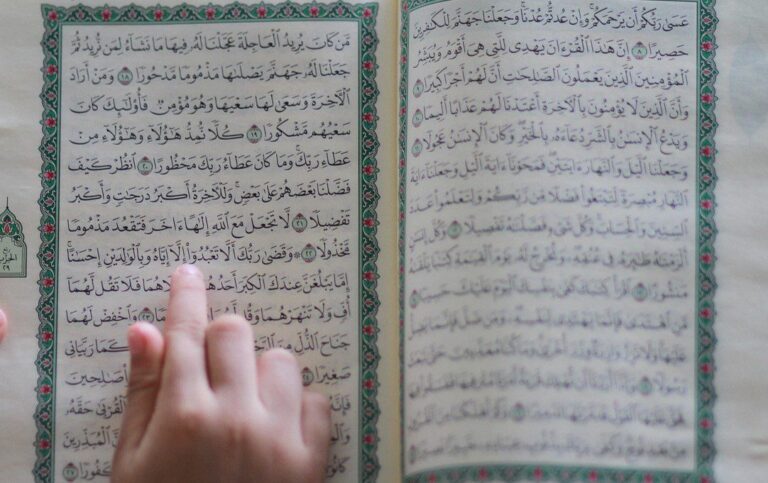
Tajweed Rules: The Guide to Proper Quran Recitation
The rules of Tajweed are something one should apply in order to be able to recite the Quran perfectly and beautifully. Tajweed translates to perfect or to enhance something, and in Quran reciting, it translates to accord each Arabic letter its due right in terms of pronunciation and personality. Using the tajweed rules, a reciter will preserve the originality of the way the Quran was revealed and prevent errors that may alter its meanings.
Tajweed is not about possessing a beautiful voice only. It pertains to precision, reverence, and maintenance of the words of Allah. Even a single mispronunciation would change the meaning of a verse, and the importance of knowing the right rules of reciting the Quran to every Muslim.
The Important Tajweed Rules All Muslims Are Supposed To Know
The fundamentals of the Tajweed make the basis of accurate Quran reading. The rules center on pronunciation, sound clarity, and correct pronunciation. It is hard to recite on advanced levels unless these basics are mastered.
The main areas of Tajweed are:
- Makharij (articulation points of letters)
- Sifaat (characteristics of letters)
- Rules of Noon Sakinah and Tanween
- Meem Sakinah rules
- Madd (elongation rules)
Makharij is the precise location of the mouth or the throat where every Arabic letter originates. Proper pronunciation means that there is no confusion of similar letters. Sifaat tells about a heavy, light, soft, and echoing letter. This knowledge helps in fluent and clear recitation of the Quran.
The Izhar, Idgham, Iqlab, and Ikhfa are rules of Noon Sakinah and Tanween. They dictate the pronunciation of the sound of n based on the letter that comes after the n. These tajweed rules are good to practise regularly to enhance pronunciation skills.
The Rules Of The Pronunciation of The Quran And Their Importance
The purity of the Quranic text is preserved by the Quran pronunciation rules. They make sure that all the words are recited correctly and clearly, as taught by the Prophet Muhammad (peace be upon him). Tajweed protects the meaning and preserves the beauty of recitations.
The application of tajweed rules enhances accuracy, contributes to fluency, and confidence. It also increases focus during Salah and daily recitation. Once the pronunciation is right, the flow of the Quran is less harsh and more spiritual.
Another important aspect of Quran pronunciation rules is called Madd, which means elongation. Some counts require the stretching of certain letters. When made either too short or too long, the meaning may vary. By analogy, Qalqalah resonates with other words and adds some accent to the sound.
The Quick Guide to Tajweed
The initial one is the control of the Arabic alphabet and its accurate pronunciation. In the absence of the correct pronunciation of letters, it is hard to apply the tajweed rules.
The second one is to master the rules of elongation and learning when to lengthen the vowels. The third step involves the study of the rules of halting, which is called Waqf. This issue of knowing when to stop and when to restart avoids misinterpretation of verses.
The most significant aspect in learning Tajweed is consistency. Even a temporary daily practice will bring about a slow but steady improvement in pronunciation and fluency. It can also be corrected through listening to qualified reciters and learning under an informed teacher so as to know the subtle mistakes that might have been missed.
Conclusion
Tajweed regulations play an important role in maintaining the correctness, beauty, and sense of the Quran. Since we have learned the simple principles of the Tajweed, to the elaboration of the rules of Quran pronunciation, every step in the process makes your recitation and spiritual bond stronger. By diligent practice and reiteration, anyone can be able to learn the Tajweed and memorize the Quran in a clear, authoritative, and in a right manner.