A Comprehensive Guide to the Spiritual Journey of Pilgrimage in Islam
Pilgrimage holds a deep and transformative meaning in Islam. It is not merely a ritualistic obligation but a profound spiritual journey that connects Muslims with their faith, history, and the global Ummah. Every year, millions of Muslims travel from every corner of the world to the sacred cities of Makkah and Madinah, undertaking what is arguably the most powerful act of devotion in the Islamic faith.
This article explores the spiritual, historical, and emotional dimensions of pilgrimage in Islam, including both Hajj and Umrah, and highlights their significance in a Muslim’s life. We’ll also guide you through the differences between them, practical preparations, and how this journey can reshape your connection with Allah (SWT).
The Purpose of Pilgrimage in Islam
In Arabic, the term for pilgrimage is Hajj, which literally means “to intend a journey.” But in Islamic terms, it’s much more than physical travel—it’s a journey of the heart and soul. Pilgrimage is a means of cleansing oneself of sins, reviving faith, and demonstrating submission to Allah.
Both Hajj and Umrah are centered around worship, humility, and reflection. The rituals performed during these journeys are steeped in historical significance, tracing back to Prophet Ibrahim (AS), his wife Hajar (RA), and Prophet Muhammad (PBUH).
Historical Roots of the Pilgrimage
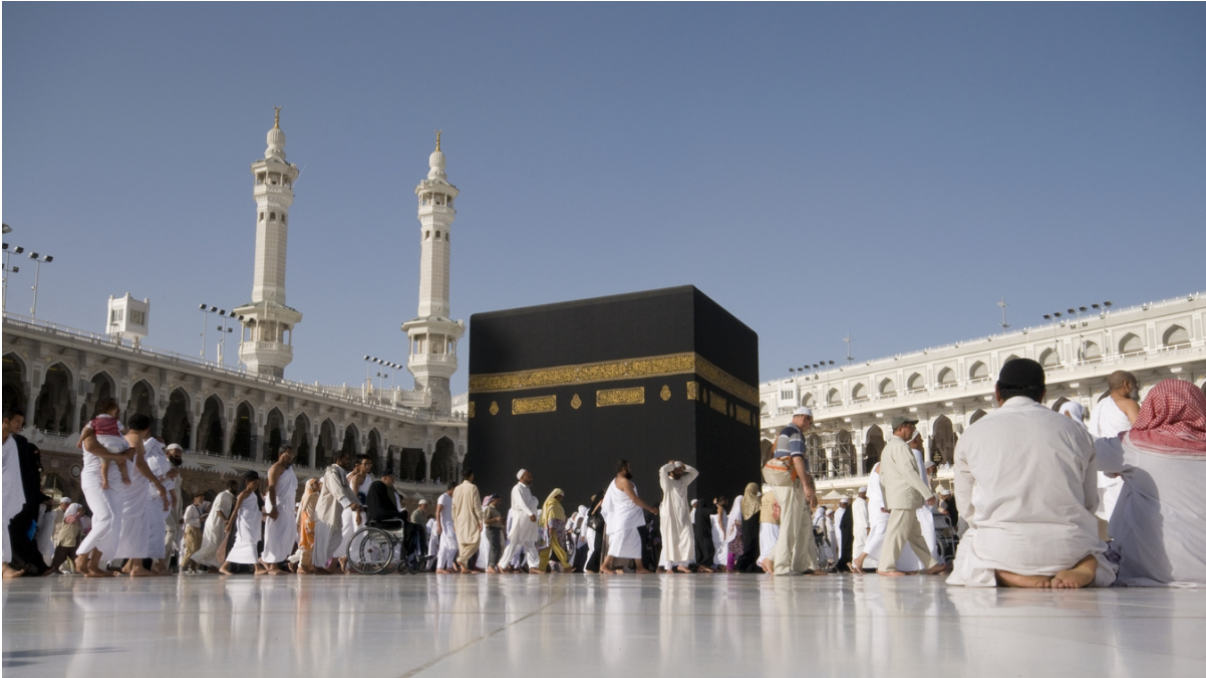
The roots of Hajj trace back thousands of years. The Kaaba, the focal point of pilgrimage, was built by Prophet Ibrahim (AS) and his son Ismail (AS) as a house of monotheistic worship. Over time, the rituals associated with Hajj came to symbolize the trials and obedience of Prophet Ibrahim and his family.
For example:
- Sa’i (the walk between Safa and Marwah) commemorates Hajar’s desperate search for water for her infant son.
- Stoning of the devil reminds pilgrims of Ibrahim’s rejection of Shaytan’s temptations.
- Sacrifice (Qurbani) reflects Ibrahim’s willingness to obey Allah even when asked to sacrifice his own son.
These rituals are not random acts but are profoundly symbolic of submission, trust, and perseverance.
Hajj vs. Umrah: What’s the Difference?
Many Muslims are confused between Hajj and Umrah—both are forms of pilgrimage but differ in timing, rituals, and obligations. To gain a deeper understanding, it’s worth exploring the difference between Hajj and Umrah in detail.
In summary:
Feature | Hajj | Umrah |
Obligation Level | Mandatory once in a lifetime | Voluntary but highly recommended |
Time of Year | Specific (Dhul-Hijjah) | Anytime throughout the year |
Duration | Several days | Few hours to one day |
Rituals | More comprehensive | Shorter set of rituals |
Spiritual Reward | Forgiveness and renewal | Blessings and reward |
Both are significant acts of worship, but Hajj is one of the five pillars of Islam, making it an obligatory duty for those who are physically and financially able.
The Emotional and Spiritual Transformation
One of the most remarkable aspects of pilgrimage is the internal transformation pilgrims undergo. Here are some ways it can impact your life:
1. Renewed Sense of Purpose
The rituals, the prayer, the unity—each component strips away worldly distractions and reorients your soul toward your true purpose: worshiping Allah.
2. Global Brotherhood
Standing shoulder to shoulder with Muslims from around the world, all dressed in the same white garments, reminds us that in Islam, there is no superiority by race, wealth, or status. This unity deeply touches the heart and leaves a lasting impression.
3. Detachment from Materialism
Leaving behind comforts, possessions, and routines forces a reconnection with what truly matters. It’s a physical and spiritual detachment from the dunya.
4. Self-Discipline and Patience
Managing exhaustion, crowds, heat, and discomfort instills a profound sense of sabr (patience) and tawakkul (reliance on Allah).
Preparing for the Journey
Whether you’re planning for Hajj or Umrah, preparation is key. Here’s how to begin:
1. Spiritual Preparation
- Seek forgiveness and mend relationships before you leave.
- Study the rituals and their meanings.
- Set clear intentions: go for the sake of Allah, not for social status or photos.
2. Physical Readiness
- The pilgrimage requires stamina—especially Hajj. Start walking regularly and stay hydrated.
- Pack essentials: comfortable slippers, ihram clothing, basic medicines, prayer mat, Quran, and a dua book.
3. Mental and Emotional Preparation
- Understand that challenges are part of the reward.
- Expect long lines, delays, or miscommunications—but keep patience.
- Remember: even discomfort is rewarded during this sacred journey.
For Women: A Unique Spiritual Experience
For sisters, the pilgrimage journey offers unique reflections and responsibilities.
- Modesty is always a core value, but during Hajj and Umrah, women don’t wear the traditional two-piece Ihram, instead, they wear simple modest clothing (typically loose, non-decorative abayas).
- During menstruation, women are exempt from certain rituals but still reap the reward of their intention.
- Many women also find comfort in reading about topics like ladies ihram beforehand to better prepare.
Common Misconceptions About Pilgrimage
1. “It will be a peaceful, serene experience.”
While spiritually uplifting, Hajj and Umrah are physically and emotionally taxing. The reward lies in the struggle, not in luxury.
2. “You must be perfect to go for Hajj.”
Hajj is not just for the religious elite—it’s a path to purification, not the result of it.
3. “I’m too young to go now.”
While it’s wise to wait until you can perform it properly, don’t delay Hajj or Umrah thinking it’s only for older people. Many young pilgrims return transformed and deeply inspired.
Post-Pilgrimage: Keeping the Flame Alive
The return home after Hajj or Umrah is not the end—it’s the beginning of a new chapter in your spiritual life. Here’s how to keep your heart anchored:
- Maintain regular prayer, dhikr, and Quran reading.
- Continue dressing modestly and seeking knowledge.
- Be an ambassador of good character, humility, and compassion in your community.
- Share your experience, but with sincerity—not for applause or praise.
Conclusion
Pilgrimage in Islam is more than just a series of rituals—it is a life-changing spiritual awakening that every Muslim aspires to undertake. Whether you are preparing for Hajj, planning for Umrah, or simply dreaming of the day you’ll stand before the Kaaba, remember this: the journey starts with intention and continues with transformation.
And when the time comes, equip yourself with knowledge—like understanding the difference between Hajj and Umrah—so that your journey is informed, meaningful, and deeply rooted in devotion.