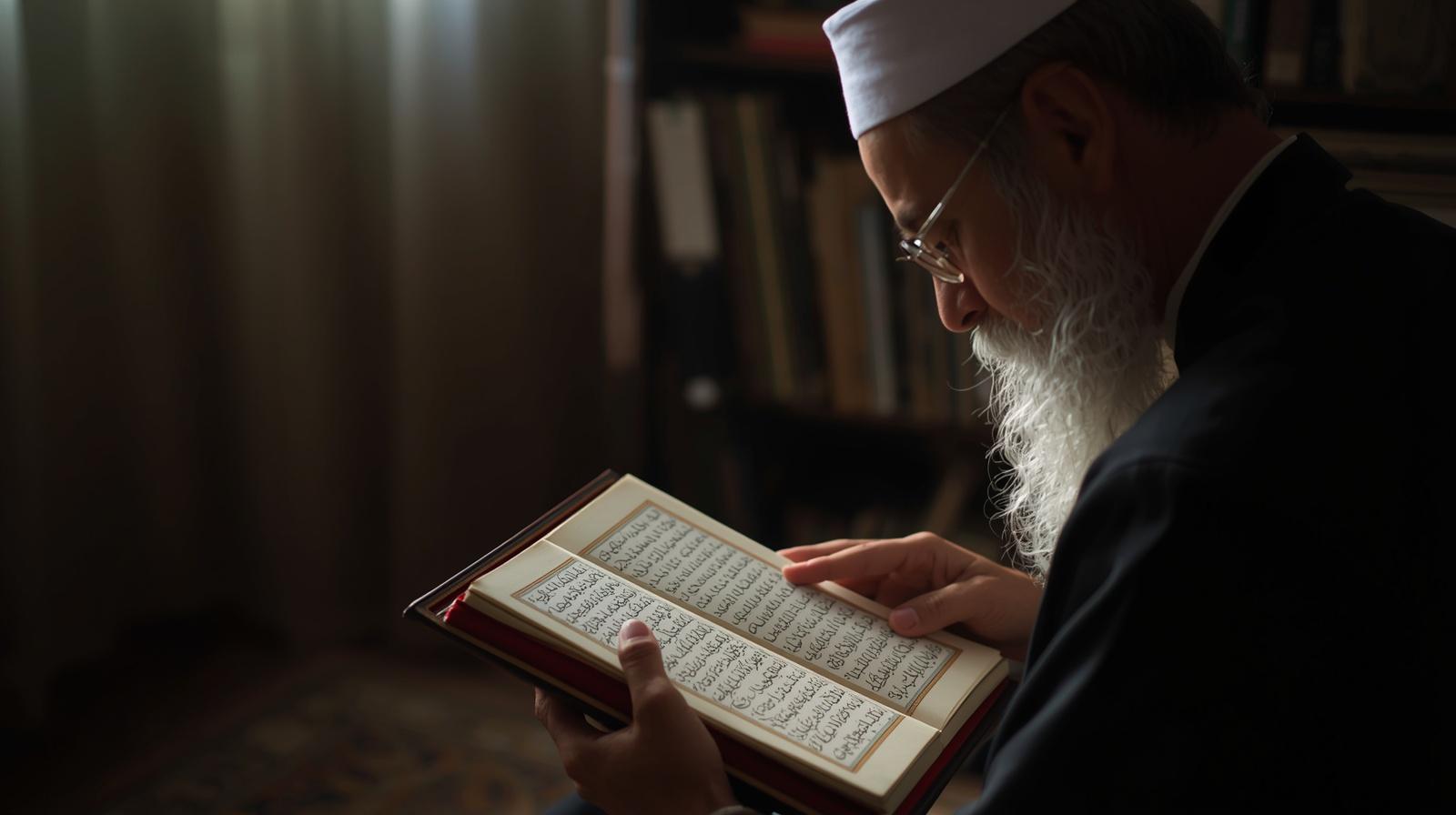
How to Revise the Quran After Hifz: Keep It Strong
Memorizing the Quran is a massive spiritual milestone that millions of Muslims strive for. Studies show huffaz can forget large portions within just a few months without consistent revision. The direct answer to how to revise the Quran after hifz is building a structured daily routine and never letting it break.
Still, staying consistent is where most huffaz quietly struggle. Life gets busy, and the structured madrassa routine disappears overnight. What separates huffaz who maintain strong hifz from those who slowly lose it is worth understanding fully.
Why Revision Feels Difficult After Completing Hifz
The post-hifz period catches many huffaz completely off guard. There is no daily teacher, no fixed timetable, and no one checking progress anymore. Revision is easy to push off since life responsibilities soon fill those gaps.
The 114 surahs and more than 6,000 ayaat of the Quran make it quite hard to cover everything without a planned approach. Early identification of this challenge enables a hafiz to mentally prepare before the routine fails.
Build a Daily Revision Routine That Actually Works
Consistency always beats intensity when it comes to maintaining hifz effectively. A hafiz revising two juz daily maintains stronger memory than someone revising ten juz once weekly.
Splitting revision into recent portions (sabqi) and older portions (manzil) covers everything in a balanced way. Fixing revision time right after Fajr makes it a non-negotiable daily habit naturally.
Use Salah as a Smart Revision Tool
Incorporating memorized portions into daily prayers is an incredibly smart revision strategy. Reciting different ayaat during nawafil turns every rakat into a quiet memory test.
If an ayah gets stuck during salah, it immediately highlights where extra focus is needed. This approach keeps the Quran present in daily worship without adding extra hours to a busy schedule.
Divide the Quran Into a Manageable Weekly Plan
The revising process is far less stressful when the recitation is divided into weekly sections. The majority of scholars advise doing one complete khatm each month, or about one juz every day.
People with more demanding schedules can still make good progress by aiming for one khatm every two months. The golden rule remains simple: revision must never stop completely, even on the hardest days.
Give Extra Attention to Weak Portions
Every hafiz has portions that feel shakier and less secure than others. Surah Al-Baqarah, the middle ajzaa, and similar-sounding ayaat in Surah Al-Kahf are common trouble spots.
Identifying weak portions early and targeting them daily prevents small gaps from growing into bigger problems. Learn Noorani Qaida to refine tajweed and recite every word with full accuracy during revision.
Find a Revision Partner or Stay Connected to a Teacher
Revising alone is tough, and for most huffaz, it becomes unsustainable over the long term. A revision partner, whether a fellow hafiz or a trusted family member, brings natural accountability into the process.
A qualified teacher catches subtle tajweed errors that self-revision frequently misses entirely. Staying connected to a teacher during the first two years after hifz builds lasting retention habits.
Understanding the Meaning Strengthens Memory
Knowing what the Quran says makes retaining it significantly easier for any hafiz. Cognitive research consistently shows that meaning-based learning produces far stronger long-term memory than repetition alone.
When a hafiz connects emotionally with the ayaat, revision transforms into a genuinely rewarding spiritual experience. Learn Quran Translation alongside revision to strengthen both memory and spiritual connection at once.
Teaching Others Reinforces a Hafiz’s Own Memory
Teaching is one of the most powerful and underrated revision strategies a hafiz can adopt. When someone teaches the Quran to others, they must constantly revisit and perfect their own recitation.
Mistakes simply cannot hide in front of a student, which keeps personal standards high naturally. Families building an early Quranic foundation for children can explore Basic Islam for Kids as an ideal starting point.
The Spiritual Side of Revision
Revision carries deep spiritual weight that goes far beyond just memory maintenance. The Prophet ﷺ compared the Quran in the heart to a camel held firmly by its rope. Letting revision slide means slowly losing that sacred connection day by day.
Making sincere dua, keeping a clear intention, and approaching revision with humility transforms it into a meaningful daily act of worship.
FAQs
How many times should a hafiz revise the Quran per month?
Most scholars recommend completing at least one full khatm every month. Revising one juz daily keeps the entire Quran consistently fresh and strong.
Is revising with the mushaf open acceptable?
Yes, looking at the mushaf helps correct errors and reinforces accurate recitation confidently. It should always be balanced with off-book recitation to maintain independent memory.
How long does one full revision cycle take?
At one juz per day, completing a full revision cycle takes thirty days. Adjusting to half a juz daily simply extends it to sixty days.
Is reciting aloud better than revising mentally?
Reciting aloud is strongly preferred because it closely mirrors real recitation conditions. Hearing the voice actively helps identify mistakes that silent mental revision often misses.