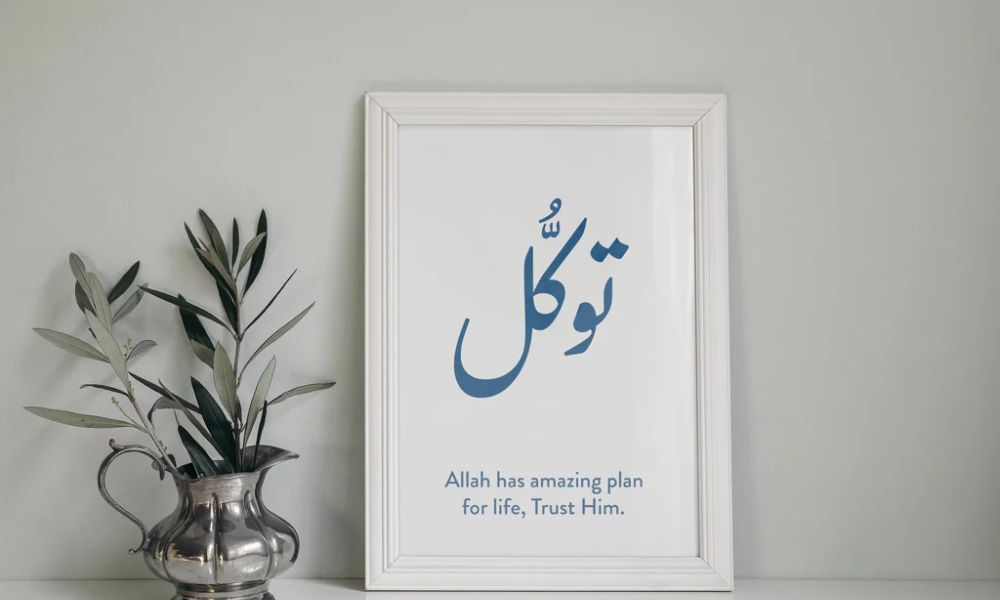
Tawakkul: Trust Allah and Let Go of the Rest
Muslims around the world name anxiety as one of their heaviest daily burdens. Research consistently links strong spiritual grounding with lower stress levels among believers.
The Concept of Tawakkul is Islam’s answer to that burden. It means trusting Allah completely after giving something every ounce of human effort. Not before effort. After it.
Most people nod when they hear this word in a khutbah and move on. But actually living Tawakkul is a different conversation entirely, and that conversation is worth having fully.
What Tawakkul Actually Means
Classical scholars did not define Tawakkul as a phrase or a habit. Ibn al-Qayyim called it a station of the heart, something earned through knowledge and real experience with Allah’s care.
The Arabic root wakala carries the sense of handing one’s affairs over to a trustworthy guardian. The Concept of Tawakkul is a handover, deliberate, conscious, and rooted in genuine belief.
Those who Learn Quran Translation often encounter this concept in a way that no summary can fully capture.
Tawakkul in the Quran
Surah At-Talaq 65:3 makes a direct promise. Allah becomes sufficient for whoever places trust in Him. Surah Al-Imran does not say trust and wait. It says consult, decide, then rely on Allah.
The Concept of Tawakkul in the Quran almost always appears in hardship, not comfort. That context is intentional. Allah is not describing a pleasant spiritual bonus for easy times.
Investing in Quran Memorization plants these verses deep enough that they actually surface when life gets difficult.
Tawakkul Is Not Giving Up
One hadith settles this debate cleanly. A man asked the Prophet ﷺ whether to tie his camel or trust Allah. The answer was both, tie it and then trust. The Concept of Tawakkul has never been about skipping steps or abandoning effort.
That version of trust is not Tawakkul. It is avoidance with a spiritual label attached. The real thing asks a person to act fully, completely, and honestly, and then release the result without white-knuckling it.
How Tawakkul Reshapes Everyday Decisions
Career changes, broken plans, conversations that went badly, Tawakkul speaks into all of it and not just the dramatic moments. A believer practicing The Concept of Tawakkul still plans carefully.
The difference is in how tightly results get held afterward. Most people treat control like a survival skill. Tawakkul gently dismantles that assumption because real security never lived in the plan anyway.
Those exploring Quranic Arabic often find that the original language captures this with a precision that translations simply cannot match.
Signs That Tawakkul Is Growing
Scholars point to several markers worth paying attention to:
- The heart settles even when outcomes stay completely unclear
- Work continues without desperation creeping into every step
- Disappointment lands but does not stay long enough to destroy
- Gratitude shows up in painful outcomes, which only happens with real trust
These are not signs of someone who feels nothing. They are signs of someone genuinely anchored in Allah’s wisdom.
Common Misconceptions That Weaken Tawakkul
Some people believe Tawakkul only becomes relevant when a situation is already out of hand. Others think having a backup plan signals weak faith. Both ideas misrepresent The Concept of Tawakkul significantly.
The Prophet ﷺ grieved, strategized, consulted companions, and still embodied the highest form of trust in Allah ever witnessed.
Tawakkul is not a feeling that has to be warm and certain to count. It often does its deepest work in the coldest and most disorienting moments of life.
Last Say!
The Concept of Tawakkul is one of those principles that sounds like three words until life puts real pressure on it. Then it becomes either a foundation or an unfamiliar idea that offers no grip.
Building that foundation takes time, knowledge, and consistent return to the Quran’s guidance. Knowledge Quran offers structured learning for anyone ready to take that seriously, from meaning to memorization to the original Arabic language.
FAQs
What is the meaning of Tawakkul in Islam?
Tawakkul means trusting Allah completely after exhausting every available human effort. It is a heart condition, not a phrase said at the end of a plan.
Does Tawakkul mean not making plans?
No, the Prophet ﷺ clearly instructed believers to act first and then trust Allah. The Concept of Tawakkul was never about skipping effort.
How does one develop Tawakkul?
Consistent reflection on the Quran and studying Allah’s name Al-Wakeel builds it steadily over time. Understanding Quranic Arabic accelerates that process meaningfully.
Is feeling anxious a sign of weak Tawakkul?
Not at all, emotions are human, and Tawakkul does not erase them. It gives the heart a floor to stand on while those emotions move through.
What is the difference between Tawakkul and tawbah?
Tawakkul looks forward by trusting Allah with what comes next. Tawbah looks backward by returning to Allah for past wrongs.