Why Surah Al-Fatiha Is the Most Important Surah in the Qur’an
The Qur’an is the greatest book and guidance for Muslims around the world. Every surah in the Qur’an carries deep meaning, wisdom, and lessons for life. But one surah holds a very special and central place — Surah Al-Fatiha. It is the opening chapter of the Qur’an and is recited by every Muslim multiple times a day during Salah. Because of its importance, scholars often call it “the heart of the Qur’an” and “the essence of the Qur’an.”
In this article, we will explore why Surah Al-Fatiha is considered the most important surah in the Qur’an and what makes it so spiritually powerful and meaningful.
1. Surah Al-Fatiha Is the Opening of the Qur’an
The word “Al-Fatiha” means “The Opening.” Just like the opening chapter of a book introduces its main theme, Surah Al-Fatiha beautifully introduces the message of the Qur’an. It reminds us that life is about recognizing Allah, worshipping Him, asking for His guidance, and staying on the straight path.
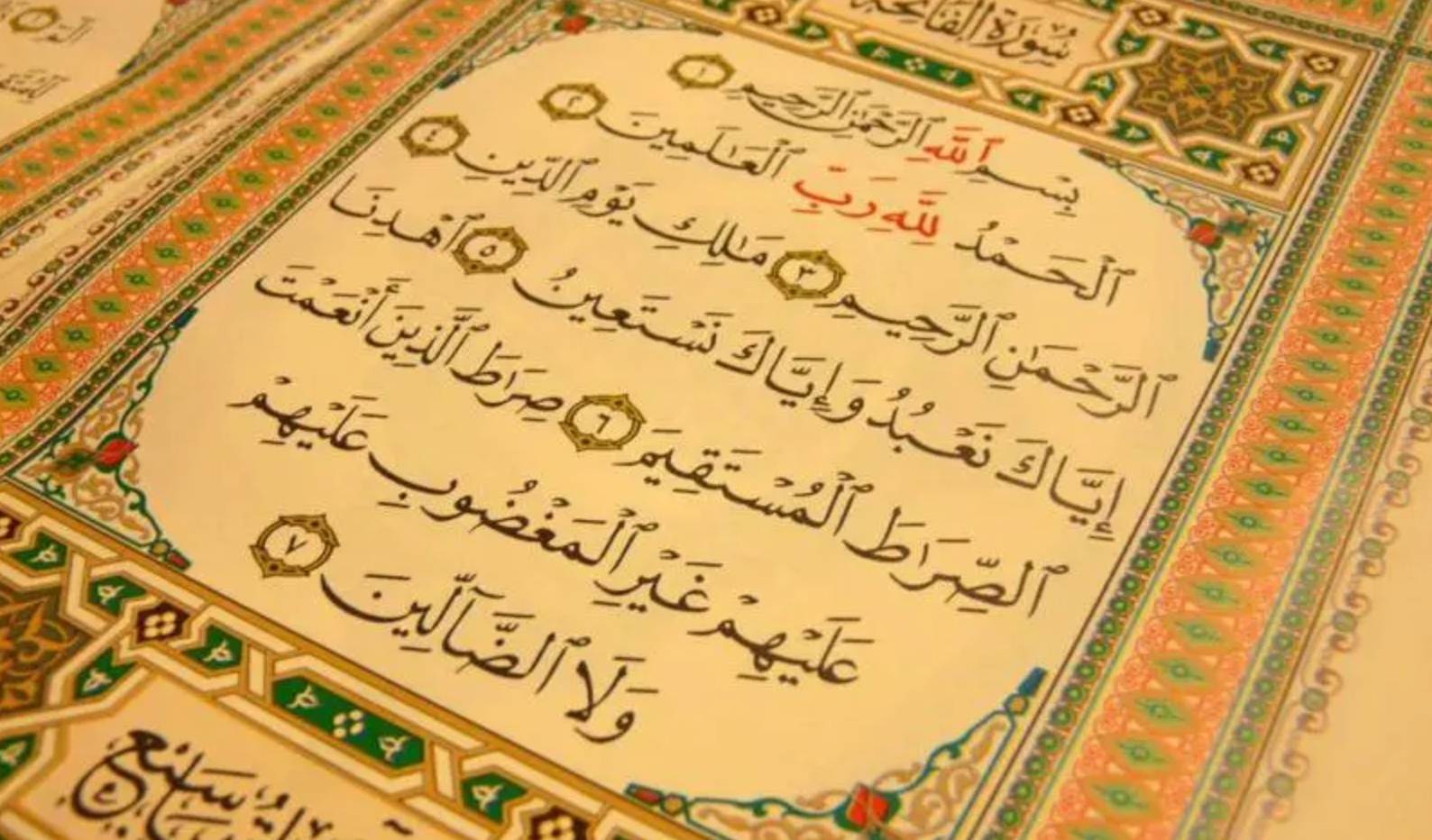
Allah chose Al-Fatiha to be placed at the beginning of the Qur’an because it summarizes the core beliefs of Islam in just seven short verses. These verses talk about:
Allah’s mercy
His lordship and power
The Day of Judgment
Worship and dependence on Allah
The need for guidance
The difference between the guided and misguided
This makes Surah Al-Fatiha a complete spiritual introduction to Islam.
2. It Is Recited in Every Rak‘ah of Salah
One of the biggest reasons for its importance is that Surah Al-Fatiha is an essential part of every prayer.
The Prophet Muhammad ﷺ said:
“There is no prayer for the one who does not recite Al-Fatiha.”
(Sahih Bukhari)
This means that a Muslim recites Surah Al-Fatiha at least:
17 times every day in the 5 daily prayers
Plus extra prayers and sunnah prayers
And often even outside of Salah
No other surah in the Qur’an has been given this honored position.
Why is this so important?
Because Salah is the direct link between a servant and Allah — and Surah Al-Fatiha is the heart of that communication. It helps the believer connect spiritually, remind themselves of their purpose, and renew their faith multiple times daily.
3. It Is a Direct Conversation Between Allah and His Servant
One of the most beautiful aspects of Surah Al-Fatiha is that it is a dialogue between the worshipper and Allah.
In a hadith qudsi, Allah says:
“I have divided the prayer between Myself and My servant into two halves, and My servant shall have what he asks for…”
Then Allah responds to each verse as we recite it.
For example:
When you say:
“Alhamdulillahi Rabbil ‘Alameen”
Allah replies: “My servant has praised Me.”When you say:
“Ar-Rahmanir-Raheem”
Allah replies: “My servant has glorified Me.”When you say:
“Iyyaka na‘budu wa iyyaka nasta‘een”
Allah says: “This is between Me and My servant, and My servant will have what he asks for.”
This shows that Surah Al-Fatiha is not just recitation — it is a living conversation with Allah.
It trains the heart to stay conscious and humble whenever communicating with Him.
4. It Teaches Tawheed — The Oneness of Allah
Islam is built on Tawheed, the belief that Allah is One and only He deserves worship. Surah Al-Fatiha beautifully explains this concept.
It tells us that:
Allah alone is Lord of all creation
Allah alone is Most Merciful
Allah alone controls the Day of Judgment
Allah alone deserves worship
Allah alone can help us
When we say:
“Iyyaka na‘budu wa iyyaka nasta‘een”
(You alone we worship, and You alone we ask for help)
We are renewing our faith in Tawheed every time we pray.
This protects a Muslim from:
depending too much on people
pride
arrogance
hopelessness
Because the heart learns that true help only comes from Allah.
5. It Is a Perfect Supplication (Dua)
The last part of Surah Al-Fatiha is actually a dua — and not just any dua — but the most important dua a believer can ask for:
“Guide us to the Straight Path.”
Why is guidance the most important thing?
Because without guidance:
wealth is useless
knowledge is misused
power becomes dangerous
life loses purpose
Guidance brings:
peace
clarity
purpose
strength in faith
success in this life and the next
This dua teaches us that no matter how knowledgeable or successful we are, we always need Allah’s guidance. It also reminds us that guidance is a gift — not something guaranteed.
6. It Describes the Straight Path
Surah Al-Fatiha doesn’t just ask for guidance — it defines the Straight Path (Sirat al-Mustaqeem):
The path of:
“those whom You have blessed — not of those who earned Your anger or went astray.”
Islam teaches that the straight path is:
The path of Prophets
The path of sincere believers
The path of truth, justice, patience, and obedience to Allah
This path rejects:
arrogance
disobedience
misguidance
rebellion against truth
So every day, at least 17 times, a Muslim is asking Allah to keep their heart firm upon this straight path.
7. It Reminds Us of the Day of Judgment
Surah Al-Fatiha says:
“Maliki Yawmid-Deen”
(Master of the Day of Judgment)
This reminds us that:
Life is temporary
Every action has consequences
We will stand before Allah
Justice will be served
When a believer remembers the Day of Judgment regularly, they develop:
humility
self-accountability
sincerity
kindness
fear of wrongdoing
Surah Al-Fatiha therefore helps clean the heart every day.
8. It Emphasizes Mercy — Allah’s Greatest Attribute
Two of Allah’s most beautiful names — Ar-Rahman and Ar-Raheem — are mentioned at the beginning.
Islam is a religion built on mercy:
Allah’s mercy is greater than His wrath
Allah forgives again and again
Allah cares for every believer
Allah’s mercy covers both this world and the next
Reciting Surah Al-Fatiha reminds the believer that no matter how big the sin — repentance and mercy are always possible.
This creates hope, peace, and love for Allah in the heart.
9. It Is a Spiritual Cure (Shifa)
Many scholars mention that Surah Al-Fatiha is also a source of healing.
There are authentic narrations where the Companions recited Surah Al-Fatiha over a sick person and the person was cured with Allah’s permission.
It brings:
comfort
peace
spiritual healing
emotional strength
This is why it is also called “Surah Ash-Shifa” — the Surah of Healing.
10. It Summarizes the Message of the Qur’an
If you reflect deeply, you will see that Surah Al-Fatiha summarizes the entire Qur’an.
The Qur’an teaches:
Who Allah is
Why we worship Him
The importance of guidance
The Straight Path
Warnings against misguidance
Preparation for the Hereafter
All of this is directly mentioned in Surah Al-Fatiha.
That is why it is known as:
Umm-ul-Kitab (The Mother of the Book)
Umm-ul-Qur’an (The Mother of the Qur’an)
Meaning — the foundation of the Qur’an.
Final Thoughts
Surah Al-Fatiha is much more than the opening chapter of the Qur’an. It is a complete guide, a powerful dua, a daily reminder of faith, and a direct conversation with Allah. It strengthens belief, purifies the heart, teaches humility, and fills the soul with peace.
Every time a Muslim recites Surah Al-Fatiha, they are:
Praising Allah
Declaring His oneness
Expressing dependence on Him
Asking for guidance
Seeking protection from misguidance
This deep spiritual meaning is what makes Surah Al-Fatiha the most important surah in the Qur’an.
If we slow down, reflect, and recite it with understanding, our Salah — and our connection with Allah — becomes much stronger and more meaningful.