The Power of Duas: Supplications Every Muslim Should Know
In the heart of every believer lies a profound connection with Allah, nurtured and sustained through the sacred act of dua (supplication). In Islam, dua is more than just a request—it is an act of worship, a dialogue with the Creator, and a tool for personal growth and spiritual elevation. Whether whispered in solitude or cried out in desperation, the power of dua in Islam is immense and transformative.
This article will explore the importance of making dua, list essential supplications every Muslim should know, and highlight duas from the Quran and Hadith that hold deep spiritual significance.
Understanding the Power of Dua
Dua is often described as the weapon of the believer. It transcends languages and cultures, connecting the heart directly to Allah. The Prophet Muhammad ﷺ said:
“Dua is worship.” (Tirmidhi)
Unlike formal prayers (salah), dua can be made at any time, in any language, and in any state—whether in distress or gratitude. The benefits of making dua include spiritual comfort, increased faith, and even worldly success. It is a tool that empowers Muslims to seek guidance, forgiveness, and protection directly from their Lord.
Why Dua Is Important in Islam
1. Direct Communication with Allah
Unlike other forms of communication, dua is a one-on-one conversation with Allah, without intermediaries. It reflects a Muslim’s humility and dependence on their Creator.
2. A Sign of Faith
Making supplications shows belief in Allah’s power and mercy. It reflects tawakkul (trust in Allah), especially when done during trials.
3. Protection Against Hardships
The Prophet ﷺ taught that dua can repel misfortune before it befalls and relieve distress once it occurs.
4. It is Always Answered
Allah promises in the Quran:
“Call upon Me; I will respond to you.”
(Surah Ghafir 40:60)
Even if a dua is not answered immediately, scholars explain it may be:
- Answered later
- Replaced with something better
- Used to prevent harm
- Saved as a reward in the Hereafter
How to Make Dua Properly
For a dua to be most effective, scholars recommend the following etiquettes:
1. Begin with Praise and Salawat
Start by praising Allah and sending salutations upon the Prophet Muhammad ﷺ.
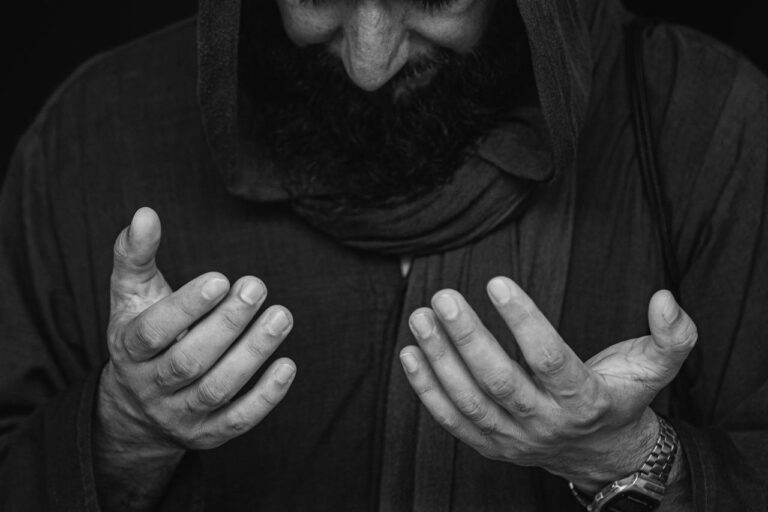
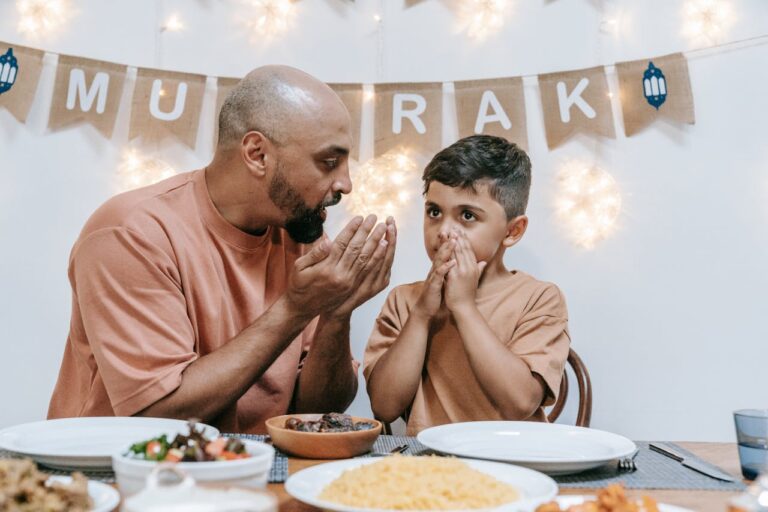
2. Raise Your Hands in Humility
It’s a Sunnah to raise hands while making heartfelt supplications.
3. Be Sincere and Specific
Speak from the heart and be specific in your requests.
4. Have Full Faith in Acceptance
Believe that Allah hears and responds—even if the answer takes time.
5. Use the Beautiful Names of Allah (Asma’ul Husna)
Calling on Allah using His names, like Ar-Rahman (The Merciful) or Al-Hakeem (The Wise), enhances the power of the dua.
6. Ask for Both Dunya and Akhirah
Duas should encompass both worldly needs and the afterlife.
Important Duas in Islam Every Muslim Should Know
Here are some of the most powerful Islamic prayers and essential duas every Muslim should memorize and recite daily:
- Dua for Guidance and Steadfastness
“Our Lord, do not let our hearts deviate after You have guided us…”
(Surah Al-Imran 3:8)
Use for: Seeking steadfastness and divine guidance
- Dua for Forgiveness
“O Allah, You are the Most Forgiving, and You love to forgive, so forgive me.”
(Hadith – Tirmidhi)
Use for: Seeking Allah’s pardon, especially during Ramadan or Laylatul Qadr
- Dua When in Hardship
“There is no deity except You; exalted are You. Indeed, I have been of the wrongdoers.”
(Surah Al-Anbiya 21:87)
This was the dua of Prophet Yunus (AS) in the belly of the whale—a powerful prayer for distress.
- Dua for Parents
“My Lord, have mercy upon them as they brought me up [when I was] small.”
(Surah Al-Isra 17:24)
Use for: Asking Allah to bless, protect, and forgive your parents
- Dua for Protection from Evil
“In the name of Allah with whose name nothing is harmed on earth or in the heavens…”
(Hadith – Abu Dawood)
Use: Morning and evening for protection from harm, accidents, and evil eye
- Dua for a Good Ending
“O Allah, make the best of my deeds the last of them, and the best of my days the day I meet You.”
(Hadith – Ibn Majah)
Use for: Desiring a righteous death and a blessed akhirah
- Dua for Good Spouse and Family
“Our Lord, grant us from among our wives and offspring comfort to our eyes…”
(Surah Al-Furqan 25:74)
Use: For peace, love, and harmony in family life
- Dua for Rizq (Sustenance)
“O Allah, suffice me with what You have made lawful against what You have made unlawful…”
(Hadith – Tirmidhi)
Use: Seeking halal income and barakah in rizq
Quranic Duas: Best Prayers from the Quran
Many Muslims seek Quranic duas because they were revealed directly from Allah and used by the Prophets.
Here are some best Quranic supplications:
Dua | Surah/Verse | Purpose |
Rabbana atina fid-dunya hasanah… | Surah Baqarah 2:201 | For good in both worlds |
Rabbighfirli waliwalidayya… | Surah Ibrahim 14:41 | For forgiveness for self and parents |
Rabbi zidni ilma | Surah Taha 20:114 | For increase in knowledge |
Duas from Hadith: Prayers Taught by the Prophet ﷺ
The Prophet Muhammad ﷺ left us with numerous authentic duas from Hadith that cover every aspect of life—from waking up to entering the bathroom, from travel to anxiety.
Here are a few examples:
- Dua before sleeping:
“O Allah, in Your name I die and I live.” (Bukhari) - Dua for anxiety or depression:
“O Allah, I seek refuge in You from worry and grief…” (Bukhari) - Dua when seeing someone in difficulty:
“Praise be to Allah who saved me from what He has afflicted you with…” (Tirmidhi)
Benefits of Making Dua Consistently
Many Muslims wonder why their duas are not answered. Scholars explain that consistency, sincerity, and patience are key. Even if the answer is delayed, the act of dua brings numerous blessings, including:
- Increased closeness to Allah
- Mental relief and clarity
- Strengthened iman (faith)
- Protection from unseen harms
- Forgiveness of sins
Times When Duas Are More Likely to Be Accepted
The Prophet ﷺ taught that there are blessed times when duas are more likely to be accepted:
- Last third of the night
- Between adhan and iqamah
- While fasting and at iftar
- During rain
- On Fridays, especially before Maghrib
- While in sujood (prostration)
Make use of these moments for deep and sincere supplication.
Conclusion: Never Underestimate the Power of Dua
The power of dua in Islam cannot be overstated. It is a lifeline for the believer—whether in joy or sorrow. By learning and consistently making important duas in Islam, Muslims strengthen their bond with Allah, gain peace of heart, and unlock spiritual and worldly blessings.
Let us all strive to incorporate supplications every Muslim should know into our daily lives, and trust in the One who listens to every whisper of the heart.
“Indeed, my Lord is Near and Responsive.”
(Surah Hud 11:61)